Introduction
Potassium Citrate
Chemical name: Tripotassium 2-hydroxypropane-1,2,3-tricarboxylate monohydrate
Alias: Potassium Citrate
Molecular formula: K3C6H5O7·H2O
Molecular weight: 324.41
This product is suitable for the food additive potassium citrate made from citric acid and potassium hydroxide or potassium carbonate. The product is used as acidity regulator, stabilizer and coagulant and quality improver in the food industry.
Traits in this segment
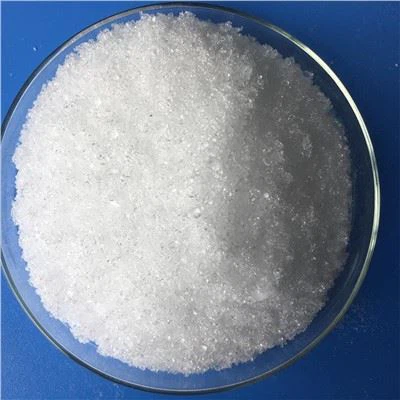
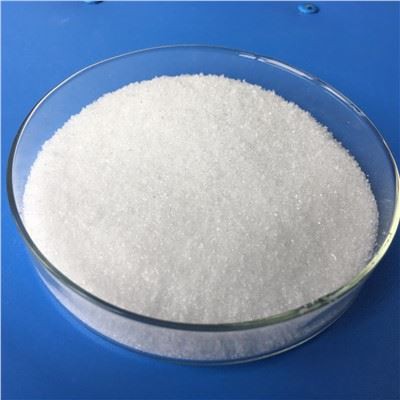
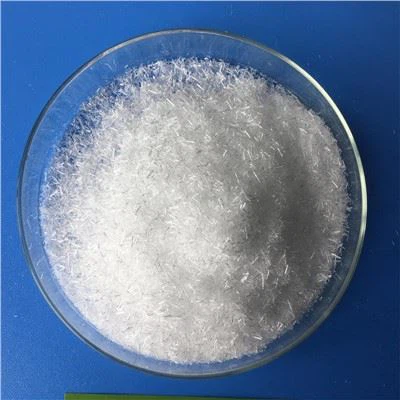
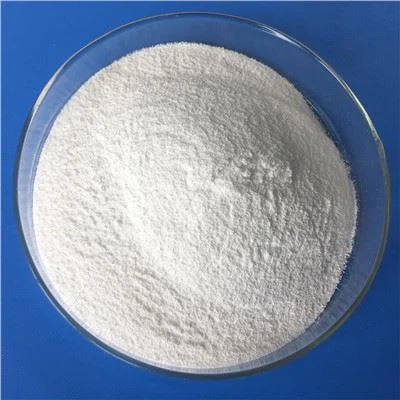
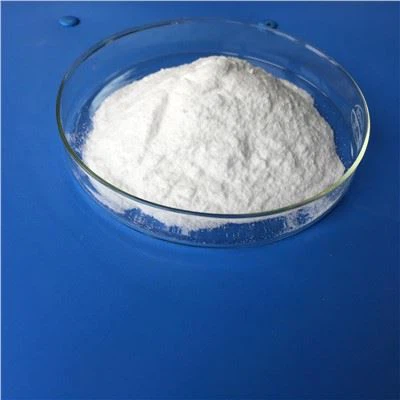
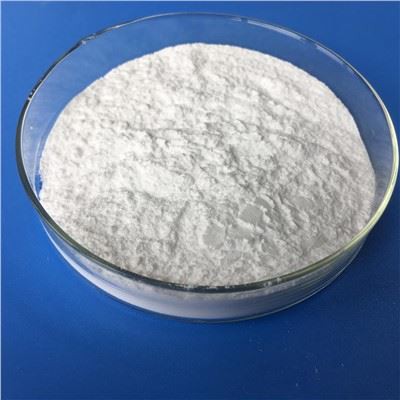
White crystalline particles or crystalline powder, odorless, cool, salty in taste, easily deliquescent, easily soluble in water and sweet (1g/0.5ml water). The relative density is 1.98, and it melts and decomposes when heated to 230°C.
Purpose of this paragraph
In the food industry, it is used as buffer, chelating agent, stabilizer, antioxidant, emulsifier, flavoring agent, etc. It can be used in milk and dairy products, jelly, jam, meat, canned hydrogel desserts, cheese emulsification, citrus preservation, etc.; in the pharmaceutical industry for hypokalemia and potassium deficiency and alkalization of urine.
This section of the system
It is made by neutralizing citric acid and potassium hydroxide or potassium carbonate.
Identification method of this paragraph
Potassium citrate
Potassium citrate
The 5% solution of this product shows potassium salt reaction and citrate reaction.
1. For potassium salt reaction, refer to the method for identifying potassium carbonate.
2. For the citrate reaction, refer to the identification method of sodium citrate.
Toxicological basis for this paragraph
Potassium citrate
Potassium citrate
1. LD50 dog intravenous injection of 167mg/kg body weight.
2. GRASFDA21CFRR182.1625, 182.6625.
3. ADI does not need to be regulated (FAO/WHO, 19984).
Use acidity regulators, chelating agents, stabilizers, etc.
Collapse edit this paragraph reference standard
Preparation of standard solution for GB601 chemical reagent titration analysis (volume analysis)
Preparation of GB602 Standard Solution for Impurity Determination of Chemical Reagents
The GB603 chemical reagent test method is the preparation of the used preparations and products
GB6284 General method for determination of moisture content in chemical products gravimetric method
GB6678 General Rules for Sampling of Chemical Products
GB6679 General Rules for Sampling of Solid Chemical Products
GB6683 Analytical Laboratory Water Specifications and Test Methods
GB8450 Method for Determination of Arsenic in Food Additives
GB8451 Limit Test Method for Heavy Metals in Food Additives